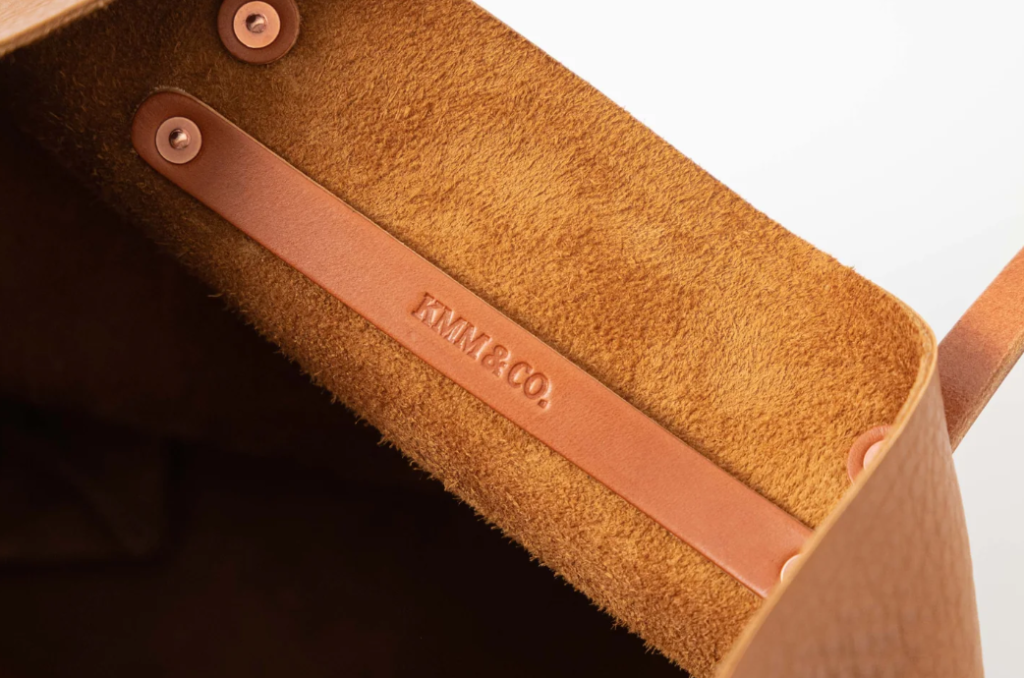
Handmade leather bags are not just fashion accessories. They are long-term investments crafted from natural materials that evolve with time. With proper care, a quality leather bag can last for decades, developing a rich patina that reflects its owner’s lifestyle. Unfortunately, many people unknowingly shorten the lifespan of their leather goods by using the wrong cleaning methods or storing them incorrectly.
This guide explains how to care for handmade leather bags using proven techniques recommended by artisans, leather specialists, and product manufacturers.
Understanding Leather as a Natural Material
Leather is animal hide that has been treated through a tanning process. Unlike synthetic materials, leather is porous and reacts to moisture, heat, oils, and sunlight. This means it needs regular but gentle maintenance. Over-cleaning can be just as damaging as neglect.
High-quality handmade bags are usually made from full-grain or top-grain leather. These types retain natural fibers, making them durable but also more sensitive to improper care.
Daily and Weekly Maintenance
Basic habits play a huge role in preserving leather:
- Wipe after use: Use a dry or slightly damp microfiber cloth to remove dust and surface dirt.
- Avoid overloading: Excessive weight can stretch seams and deform the bag’s structure.
- Rotate usage: Giving leather time to rest helps prevent stress points from forming.
Never use baby wipes, alcohol, or household cleaners. These strip natural oils and cause cracking.
Proper Cleaning Techniques
For deeper cleaning, less is more.
- Remove all contents and shake out debris.
- Use a soft cloth dampened with water. Do not soak the leather.
- Apply a small amount of leather cleaner using circular motions.
- Wipe off residue and let the bag air dry naturally.
Avoid hair dryers or direct sunlight. Rapid drying leads to stiffness and surface damage.
Conditioning Leather the Right Way
Conditioning replenishes oils lost over time. Most leather bags need conditioning every 3–6 months, depending on usage and climate.
- Use a conditioner designed specifically for leather.
- Test on a hidden area first.
- Apply a thin layer, then buff gently.
Over-conditioning can clog pores, so moderation is key.
Protection from Water and Sun
Leather and water do not mix well. If your bag gets wet:
- Pat dry immediately.
- Stuff with paper to maintain shape.
- Let it dry at room temperature.
Consider using a leather protector spray for light rain exposure. As for sunlight, prolonged UV exposure fades color and dries leather. Store bags away from windows.
Correct Storage Practices
Improper storage causes permanent deformation.
Best practices include:
- Store in a breathable dust bag (never plastic)
- Stuff with acid-free paper
- Keep in a cool, dry place
- Avoid hanging heavy bags for long periods
These steps preserve both shape and finish.
When to Seek Professional Care
For stains, mold, or deep scratches, professional leather cleaners are worth the cost. DIY fixes often worsen damage.
Final Thoughts
Leather rewards care. By following these evidence-based practices, your handmade leather bag won’t just last longer — it will age beautifully, becoming more personal with every year of use.